 johnharwen314@gmail.com
Introduction to Ares
How to Worship Ares in Greek Mythology in 2026. Ares is known as the Greek god of war, embodying the tumultuous and aggressive aspects of conflict that are often associated with battle. While he is one of the Twelve Olympian gods, his standing among them is somewhat unique, marked by a blend of admiration and disdain from both mortals and deities alike. Unlike Athena, who represents strategic warfare and wisdom in conflict, Ares personifies the chaotic and brutal nature of war. This duality creates a rich tapestry within Greek mythology that informs both the reverence and caution surrounding worshiping Ares.
Ares is often depicted as a formidable warrior, clad in armor, brandishing a spear or sword, and accompanied by symbols of warfare. His persona is that of raw strength and aggression, coupled with a fierce, often untamed spirit. He was not merely a god of warfare but also a representation of violence, bloodlust, and the primal instincts that accompany human conflict. Understanding how to worship Ares requires acknowledging these attributes and recognizing the dual nature of conflict, which can lead to both destruction and growth.
He was the son of Zeus and Hera, and while he did not enjoy the same level of popularity as other deities, his role was significant within the pantheon. He often found companionship in figures such as Aphrodite, the goddess of love, further illustrating the complex interconnections of emotions and war. This relationship signifies the nuanced understanding necessary for those interested in knowing how to worship Ares, acknowledging that strength can coexist with tenderness. Therefore, for individuals drawn to the fierce nature of Ares, understanding his character is essential for a meaningful connection to his essence in worship.
Historical Context of Worshipping Ares
The worship of Ares, the Greek god of war, was deeply intertwined with the socio-cultural fabric of ancient Greece. Ares represented not only the physical aspects of battle but also the ideals of bravery and masculinity that were prevalent in Greek society. His veneration was especially prominent during periods of conflict, as the Greeks sought divine favor in their military endeavors. Temples dedicated to Ares, although less numerous than those for other deities like Athena or Zeus, served as places of worship and offerings for those seeking strength and valor in warfare.
One notable site of worship was the Temple of Ares in the ancient city of Athens, which functioned as a center for rituals and ceremonies aimed at honoring the god. This temple, despite its architectural simplicity, was significant for showcasing the dual aspects of Ares—his roles as both a warrior and a protector of the city-state. The importance of Ares in the hearts of the Greeks can be further understood through literary sources, where he is often depicted in epics and tragedies, reflecting the glory and horror of war.
Additionally, the societal perceptions surrounding war heavily influenced the worship of Ares. While some viewed him as a symbol of chaos and destruction, others embraced him as an essential force for communal strength and perseverance. Festivals honoring Ares also occurred, particularly in regions where military prowess was seen as crucial for survival. These rituals were not merely acts of devotion but were integral to reinforcing societal norms regarding courage and honor, further illustrating the complex relationship between Ares and the ancient Greeks.
In viewing Ares through this multifaceted lens, we gain a deeper appreciation of how to worship Ares in Greek mythology. Understanding his significance draws attention to the values celebrated in ancient warfare and offers insight into the broader implications of masculinity and conflict in Greek culture.
Symbols Associated with Ares
Ares, the Greek god of war, is often represented by various symbols that embody his nature and influence. Understanding these symbols can enhance the way devotees engage in worship and connect with his essence. The spear is perhaps the most significant symbol associated with Ares. As a weapon of warfare, it represents his martial prowess and the valor required in battle. Worshippers may choose to honor Ares by incorporating symbols of the spear into their altars or rituals, perhaps by displaying replicas or artwork that showcases this powerful weapon.
Another prominent symbol of Ares is the helmet, which signifies protection and the readiness for combat. Worshippers can use helmets as offerings, or include them in their rituals as a reminder of courage and strength in the face of adversity. The helmet not only reflects Ares’ role as a warrior but also serves as a reminder to remain vigilant in one’s personal struggles.
In addition to these human-made symbols, Ares has animal representations that connect him directly to the natural world. The dog symbolizes loyalty and the ferocity of battle, while the vulture embodies the darker sides of war, including death and destruction. Devotees might consider including images or sculptures of these animals in their worship space. By doing so, they evoke the complex aspects of Ares’s character, embracing both the noble and harsh realities of warfare.
By incorporating symbols such as the spear, helmet, dog, and vulture, followers of Ares can create a meaningful worship experience. These representations not only serve as reminders of Ares’ attributes but also assist practitioners in reflecting on their own lives, the battles they face, and the values they strive to embody.
Rituals for Worshipping Ares
Worshipping Ares, the Greek god of war, involved a range of rituals and practices that were integral to ancient Greek religious life. To appease and honor Ares, devotees often engaged in specific offerings and sacrifices. Traditionally, these rituals were characterized by their emphasis on martial symbols, aggression, and the valor associated with warfare.
One of the most notable practices involved animal sacrifices, which were common in ancient Greek worship. Rams were particularly favored as offerings to Ares, symbolizing strength and ferocity. The animals were typically slaughtered in sacred spaces dedicated to the deity, with the belief that their life force could channel Ares’ attention and favor. Participants would invoke his name, calling upon Ares to lend courage and strength in battle, or to grant protection to soldiers and warriors.
In conjunction with sacrifices, devotees also created altars adorned with symbols of warfare, such as shields, swords, and images of Ares himself. Rituals often included the burning of incense and offerings of wine, which served to create a sacred atmosphere conducive to divine communication. Many adherents would recite hymns and prayers to Ares, articulating their desires for valor in conflicts or victory in competition.
Modern practitioners interested in how to worship Ares in Greek mythology can adapt these rituals to fit contemporary contexts. For instance, setting up a small altar at home dedicated to Ares could serve as a focal point for meditation and offerings. Engaging in martial arts or other competitive sports can also be seen as a means of honoring Ares by embodying the spirit of perseverance and strength associated with this fierce deity.
Invocations and Prayers to Ares
Worshiping Ares, the Greek god of war, often involves the practice of invocations and prayers aimed at establishing a connection with this powerful deity. Historically, ancient devotees recited specific formulas to honor Ares and seek his favor, understanding that proper articulation of intentions is crucial in spiritual practices.
One traditional invocation begins with addressing Ares directly, recognizing his attributes and seeking his guidance in warfare or personal conflicts. For example, a simple invocation might say, “Hail Ares, Great Warrior, your strength and courage inspire us. Grant us your protection as we face our battles, be they in life or spirit.” Such expressions acknowledge Ares’ formidable presence and invoke his assistance.
To craft personalized prayers or invocations for Ares, individuals should focus on the elements they wish to emphasize, whether it may be valor, strategy in conflict, or resilience. Incorporating personal intentions can greatly enhance the effectiveness of these spiritual expressions. A potential template might include expressions of respect and admiration, a request for specific support, or a dedication of one’s courage in honoring Ares’ virtues. For instance, one might say, “Mighty Ares, I call upon your strength to guide me through the challenges I face. May your spirit fill me with the courage to engage with fortitude and skill.”
Devotees can also explore established prayers from historical texts or modern interpretations that represent the reverence towards Ares. Engaging with these texts might provide a deeper understanding of the nuances in worship methods and how to worship Ares in Greek mythology. By adapting these words into personal practice, an individual not only reveres the god but also fosters a meaningful and respectful relationship with Ares.
Festivals and Celebrations of Ares
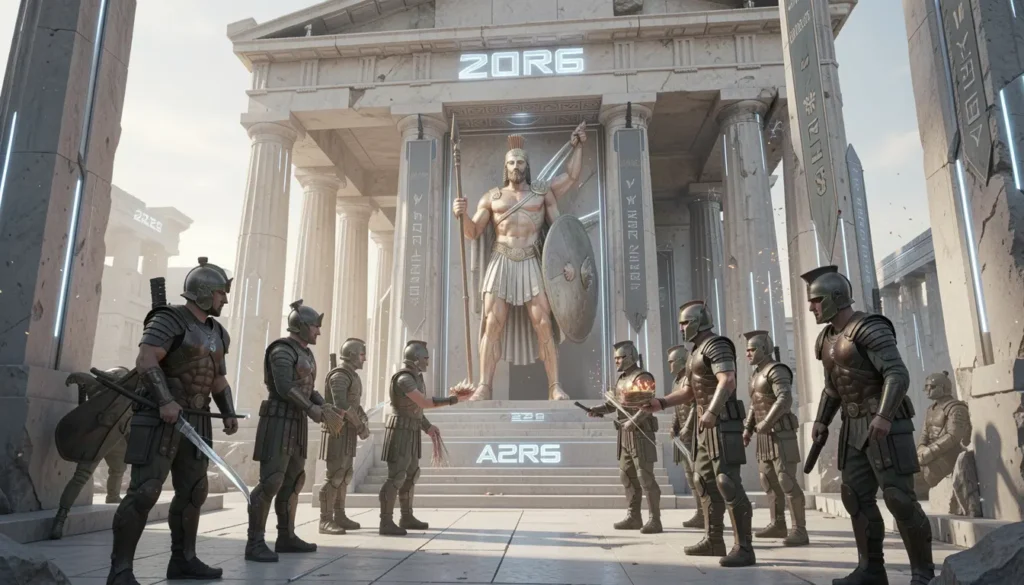
In ancient Greece, Ares, the god of war, was honored through various festivals and communal celebrations, which served as vital expressions of devotion and remembrance. One of the most prominent festivals dedicated to Ares was the Thargelia, celebrated annually in numerous poleis, including Athens. This festival primarily focused on agricultural renewal; however, it also honored Ares, suggesting the god’s integral role in the protection of land and people during times of conflict.
During the Thargelia, citizens would offer sacrifices, which included animals such as boars, symbolizing strength and valor, that were associated with the god of war. These sacrifices served as communal acts of devotion to seek Ares’s favor in upcoming battles and ensure the city’s safety. Additionally, competitive events were held, including athletic contests that not only fostered physical prowess among participants but also reflected a society’s admiration for the qualities Ares epitomized: bravery, strength, and resilience.
Another significant event was the Hellenic Games, where warriors participated in various physical contests to honor Ares. These games featured events such as wrestling, boxing, and running, allowing participants to demonstrate their martial capabilities and earn recognition in the name of the god. These games drew vast crowds and highlighted the societal importance placed upon martial excellence and valor.
In addition to these festivals, local rituals and observances were integral in how communities engaged with the worship of Ares. Temples dedicated to Ares became focal points for communal gatherings, where rituals were conducted, and stories of Ares’s exploits were recounted, reinforcing cultural values surrounding warfare and courage.
These festivals and corresponding celebrations were crucial in creating a shared identity among followers and reinforcing the societal values associated with warfare and courage in Greek culture. Engaging in such communal activities exemplified how to worship Ares in Greek mythology, ensuring his influence remained woven into the fabric of everyday life.
Artwork and Literature Featuring Ares
The worship of Ares, the Greek god of war, is deeply embedded in the cultural fabric of ancient Greece, with many artistic and literary representations that convey his significance in mythology. From sculptures and pottery to epic poetry, Ares has been depicted in various forms that reflect his qualities as a formidable deity. Ancient artists often portrayed Ares as a powerful figure, clad in armor and brandishing weapons, symbolizing the martial prowess attributed to him. These representations serve as both a tribute to his valor and an artistic expression of the respect and fear he commanded among the ancient Greeks.
In the realm of literature, Ares is featured prominently in several classical texts, including Homer’s “Iliad.” His intervention in the battles detailed within the epic illustrates not only his role as a warrior but also the complexities of his character—from destructive rage to moments of vulnerability. The narrative explores themes of honor and the chaos of war, providing a comprehensive backdrop for how to worship Ares in Greek mythology. By immersing oneself in these literary works, devotees can gain insight into the god’s attributes and the values associated with him.
Furthermore, the artistic depictions of Ares can inspire modern worshippers to acknowledge the multifaceted nature of war—both its glory and its peril. Pottery decorated with scenes of Ares in battle, or representations of his romantic entanglements with other deities, highlight the interconnectedness of his warlike attributes with themes of love and conflict. By studying these historical artworks and narratives, individuals can cultivate a deeper appreciation for Ares, drawing from both visual and textual sources to inform their own practices. In doing so, worshippers can develop a more profound understanding of what it means to honor Ares within the context of his mythological legacy.
Modern-day Worship of Ares
In contemporary times, the worship of Ares, the Greek god of war, has experienced a revival among those seeking a connection to ancient traditions. Modern devotees often adapt ancient rituals and beliefs into their spiritual practices, reflecting their interpretation of Ares as a symbol of strength, courage, and resilience. Rather than engaging in traditional sacrificial offerings, many choose to demonstrate their reverence through personal acts of valor and community service that embody the spirit of Ares.
Practices may include creating altars adorned with symbols associated with Ares, such as shields, swords, and other martial artifacts, emphasizing the warrior aspect of his character. For some, this act is not merely ornamental but becomes a space for reflection, meditation, and invocation of Ares’ qualities into daily life. Through prayer, meditation, and visualization, worshippers seek to embody the courage and strategic prowess that Ares represents, connecting these traits to their personal challenges or broader social issues.
Modern worshippers also participate in community gatherings where they share stories, rituals, and experiences that celebrate the legacy of Ares. These communal events can serve as both a reaffirmation of individual beliefs and a collective expression of admiration for the god of war. In addition, the advent of online communities has facilitated discussions and exchanges of ideas regarding how to worship Ares in Greek mythology, allowing for a diverse range of practices to flourish.
Ultimately, the modern interpretation of Ares transcends mere historical practices, evolving into a unique blend of ancient traditions and personal meanings. By understanding how to worship Ares in Greek mythology today, individuals are able to forge a deep connection with these age-old beliefs while adapting them to their contemporary spiritual journeys.
Conclusion: Embracing the Warrior Spirit
In exploring how to worship Ares in Greek mythology, it becomes evident that understanding and honoring this significant deity offers profound insights into the warrior spirit intrinsic to humanity. Ares represents not only conflict and aggression but also the strength and courage required to overcome obstacles. Embracing the essence of Ares can inspire individuals to confront their fears and challenges with determination, echoing the valor synonymous with this god of war.
Worshipping Ares involves engaging in meaningful rituals and practices that allow one to connect with his powerful energy. Individuals can create altars dedicated to Ares, incorporating symbols associated with him, such as weapons, armor, and representations of battle. Additionally, invoking prayers and chants can reinforce one’s connection to this fierce god, calling upon his presence to instill courage during challenging times. These practices serve not just as a way to honor Ares but also as a personal empowerment tool.
Moreover, the lessons of Ares extend beyond mere conflict; he embodies the pursuit of personal excellence and the courage to fight for one’s beliefs and values. By understanding how to worship Ares in Greek mythology, devotees are encouraged to embody the characteristics of bravery, loyalty, and resilience in their daily lives. This deeper connection allows individuals to draw strength from Ares, utilizing his ferocity to propel them towards achieving their goals and aspirations.
In conclusion, worshiping Ares is an invitation to harness the warrior spirit within. It is a path that not only acknowledges the complexities of battle but also celebrates the strength of conviction and the unyielding pursuit of aspirations. By embracing Ares, one can invoke his power and fortitude, fostering a transformative journey that is both challenging and rewarding.
Also read aresgodofwar.co.uk
Email: johanharwen314@gmail.com
Author Name: Johan Harwen