Introduction to the God of War Franchise
The God of War franchise, developed by Santa Monica Studio and published by Sony Interactive Entertainment, originally debuted in 2005, marking a significant entry in the action-adventure genre. The series follows the tale of Kratos, a Spartan warrior who becomes embroiled in a conflict with the gods of Olympus. The initial title set a precedent with its engaging narrative, robust combat mechanics, and stunning graphics, which remained a hallmark of the franchise throughout its evolution.
Over the years, the series has undergone notable transformations, both in gameplay and narrative structure. The early entries focused on Greek mythology, allowing players to engage in epic battles against mythological creatures while unraveling Kratos’s tragic backstory. These games emphasized fast-paced combat and puzzle-solving elements that captivated players and drew them into the blood-soaked journey of vengeance.
The franchise saw a pivotal shift with the release of God of War (2018), which transitioned into Norse mythology, showcasing a more mature and reflective side of Kratos as he navigates fatherhood alongside his son Atreus. This game introduced new gameplay mechanics, such as a more strategic combat system centered around an axe, enhancing the emotional depth of the narrative. The shifting focus from pure revenge to themes of redemption, legacy, and familial relationships marked a significant evolution in storytelling within the series.
As gaming continues to advance, understanding how to play God of War games in order enhances the overall experience, providing players with a comprehensive perspective on the character’s development and the embedded lore. Each installment builds on the last, creating a rich tapestry of narratives interwoven with the core themes of betrayal, accountability, and personal growth that define this iconic franchise.
The Chronological Order of the Games
To fully appreciate the intricate storytelling and character development within the God of War franchise, understanding the chronological order of the games is essential. The series begins with God of War: Ascension, which serves as a prequel, detailing the origins of Kratos and his tumultuous relationship with the gods of Olympus. This entry sets the stage for the epic saga that follows, showcasing events that lead to his transformation into the Ghost of Sparta.
Next in line is the original God of War, released in 2005, which introduces players to Kratos’s quest for revenge against Ares, the war god. This game provides critical context for Kratos’ motivations and his eventual defiance against the gods who have wronged him. It is crucial for understanding the character’s psyche and the driving forces behind his actions.
Following the events of the first game, players should dive into God of War II, where Kratos faces new challenges from the Fates and attempts to rewrite his destiny. This installment deepens the narrative, exploring themes of betrayal and power through epic encounters and gameplay innovations.
The journey continues with God of War III, which culminates Kratos’s vengeance against the Olympian gods, wrapping up his narrative arc that has been developed over the previous games. This entry features stunning visuals and intense combat, showcasing battles that are as monumental as the character’s journey itself.
Finally, the series saw a substantial evolution with the release of God of War (2018), transitioning to a Norse mythology setting. This game revitalizes Kratos as a character, now a father navigating his relationship with his son, Atreus. Playing the games in this order not only enriches the experience but also allows players to witness the remarkable evolution of Kratos’s character across different mythologies and personal journeys, thus enhancing the overall gaming experience.
Main Series Entries: A Closer Look
The God of War series is renowned for its gripping narratives and engaging gameplay, featuring the iconic character, Kratos. Understanding how to play God of War games in order enhances the experience, as the story unfolds in a manner that builds upon previous titles.
The journey begins with God of War (2005), set in ancient Greece. Players follow Kratos, a Spartan warrior betrayed by the gods, seeking revenge against Ares, the God of War. This title introduces players to the series’ signature combat mechanics, puzzle elements, and the narrative tone that will define future installments.
Next, God of War II (2007) continues Kratos’ saga as he battles against the fates and the gods who have wronged him. Here, new gameplay features and refined combat mechanics are introduced, allowing for an enriched gaming experience while deepening the player’s understanding of Kratos’ character development.
The series takes a significant turn with God of War III (2010), where Kratos aims to exact his revenge on Zeus and the Olympian gods once and for all. This installment showcases dramatic visuals and a deeper exploration of motivations and conflicts, solidifying the importance of narrative continuity throughout the series.
After a significant hiatus, the series was reinvented with God of War (2018), which shifts the setting to Norse mythology. This game introduces Kratos’ son, Atreus, creating a fresh dynamic that explores themes of fatherhood and legacy, thus offering a profound expansion to Kratos’ story. The gameplay also evolves with an emphasis on exploration and emotional engagement.
Each title in the main series contributes to the overarching story arc, making it clear why players should prioritize understanding how to play God of War games in order. Engaging with each title in sequence not only allows players to appreciate character growth but also provides a richer context for gameplay evolution and narrative development.
Spin-off Titles and Their Relevance
The God of War franchise is renowned not just for its captivating main series, but also for its spin-off titles that expand the narrative depth of the universe. While the primary entries, such as God of War (2005) and God of War (2018), are crucial for understanding the overarching storyline, the spin-offs serve to enhance the lore and provide additional context to central characters and events.
One of the earliest spin-offs is God of War: Chains of Olympus, released for the PSP in 2008. This game delves into the backstory of Kratos, the protagonist, during his servitude to the gods before the events of the original series. While it is not essential to play this title to grasp the main plot, Chains of Olympus enriches the player’s understanding of Kratos’ motivations and inner conflict.
Similarly, the title God of War: Ghost of Sparta further develops the narrative surrounding Kratos’ family, exploring themes of loss and redemption. This game adds layers to the character’s emotional struggle which can enhance the player’s experience of the main series. While not required for a coherent grasp of the primary storyline, these spin-offs provide valuable context that can deepen one’s appreciation of the character arc.
Another notable spin-off is God of War: Ascension, which serves as a prequel to the entire series, offering insight into Kratos’ past and his initial encounters with the Furies. This title sheds light on his journey toward becoming the Ghost of Sparta, and while its gameplay mechanics and story elements are not vital to the main plot, they do offer fans a more comprehensive view of the character’s evolution.
In conclusion, while the spin-off titles in the God of War series are not strictly necessary for understanding how to play God of War games in order, they provide enriching narratives that contribute significantly to the franchise’s depth. Engaging with these titles can elevate the experience and appreciation of the main series, making them worthwhile adjuncts for dedicated fans.
Remastered and Reinvented Experiences
The God of War franchise has enjoyed not only critical acclaim but also a dedicated fanbase that spans generations. As technology has advanced, so too have the opportunities for reinterpreting and remastering classic titles, allowing both newcomers and long-time fans to relish these epic tales anew. Many of the original God of War games have been enhanced with remastered editions that elevate their overall gameplay experience, utilizing the capabilities of modern consoles.
Each remastered version comes equipped with improved graphics, higher resolution textures, and increased frame rates, bringing the once groundbreaking visuals into a new era. For instance, God of War III Remastered on the PlayStation 4 featured stunning 1080p graphics and a smoother frame rate, allowing players to experience Kratos’s legendary battles with fresh intensity. In addition to visual enhancements, many remasters also benefit from refined controls and gameplay mechanics, making them more accessible for those who might not have played the originals.
While remastered versions are undoubtedly attractive, potential players often wonder if they are suitable substitutes for the original titles. It is essential to consider that while the core storylines remain intact, some of the nuances and contexts associated with the original releases may be diluted or altered slightly. Therefore, if one is focused on having a complete understanding of Kratos’s journey and character development, starting from the original games can provide a richer gaming experience. However, for players who prefer modern gameplay and aesthetics, the remastered editions serve as excellent entry points into the God of War universe. Overall, these enhanced adaptations showcase how to play God of War games in order while allowing flexibility in approaching the narrative.
Important Characters and Their Development
The God of War series, which centers around the journey of Kratos, showcases a diverse array of characters whose development significantly enriches the narrative. As players learn how to play God of War games in order, they observe the complex evolution of key figures, particularly Kratos himself. In the initial installments, Kratos appears as a ruthless warrior, driven by vengeance after being betrayed by Ares, the God of War. This betrayal sets the stage for his destructive path, illustrating his intense rage and the consequences of his actions.
As the series progresses, players witness Kratos’ transformation from a vengeful figure to a more reflective character who grapples with his past mistakes. In God of War (2018), set against a Norse backdrop, he is depicted as a father trying to guide his son, Atreus, demonstrating a softening of his character. This evolution allows for a deeper exploration of themes such as redemption and responsibility, contrasting markedly with the earlier games where his character was primarily fueled by anger.
Other prominent characters, such as Atreus, also experience significant development. Initially introduced as a young boy unaware of his true heritage, Atreus grows into a pivotal figure who influences Kratos’ journey. Their relationship is paramount, providing emotional weight to the story. Additionally, antagonist characters, like Baldur, evolve differently throughout the narrative, reflecting themes of fate, freedom, and the consequences of divine intervention. By understanding how to play God of War games in order, players can appreciate these characters’ relationships and the nuances added by the chronological storytelling approach.
The interplay between these characters enriches the lore, creating a multi-dimensional tapestry that becomes more compelling as one progresses through the series. As we delve deeper into the series, it becomes clear that the evolution of its characters not only drives the plot but also engages players on an emotional level.
Tips and Tricks for Playing the Series
Playing the God of War games in order can greatly enhance your overall experience, particularly because of the evolving mechanics and narrative depth throughout the series. For newcomers, it is essential to approach the series chronologically, starting with the original game to understand the evolution of Kratos, the protagonist.
One of the first tips is to familiarize yourself with the combat system. Each entry in the series introduces unique combat mechanics. For example, in the earlier games, players rely heavily on quick button-mashing techniques and combos, while the later titles, particularly God of War (2018), incorporate a more strategic, measured approach. Concentrating on dodging and parrying will significantly improve your survival chances against tougher foes.
Another critical strategy involves upgrading your weapons and abilities. Players often rush into battles without fully upgrading their gear. Take the time to explore and gather resources to strengthen Kratos’s abilities. Completing side quests not only provides experiences but also valuable enhancements that are vital for progressing through the storyline.
Additionally, mastering the use of runes and magic can play a crucial role in combat effectiveness. Each game offers varying forms of magic or abilities that can inflict significant damage, crowd control, and even healing effects. Combining these skills can create a more dynamic and engaging combat experience.
For new players, a well-structured approach to tackling the God of War games can prevent feeling overwhelmed. It is advisable to read up on gameplay mechanics through guides or community forums. Participating in discussions can provide not only insights but also motivation to continue through the older titles. Ultimately, learning how to play God of War games in order will optimize your gaming experience, providing a rich narrative and strategic depth.
Fan Theories and Community Engagement
The God of War series, renowned for its rich storytelling and complex characters, has spawned a multitude of fan theories that enrich the gaming experience. These theories often evolve from the intricate narratives that span different mythologies, particularly the Greek and Norse pantheons. Players frequently engage in discussions surrounding character motivations, plot twists, and potential continuities that may affect the order in which one should play the God of War games. This engagement contributes to a vibrant community where interpretations can vary widely, leading fans to delve deeper into the lore and narratives of the series.
One popular theory suggests that certain characters possess deeper connections than what may be immediately apparent, prompting fans to explore these relationships further. For example, the connection between Kratos and his son Atreus has led to much speculation regarding their lineage and role in the unfolding mythology. As fans share their theories online, they often reference how to play God of War games in order, which provides a structured way to appreciate these relationships throughout the entire franchise.
Community platforms such as forums and social media groups facilitate discussions about the games, allowing players to present evidence and rationales for their hypotheses. These interactions not only foster camaraderie among fans but also serve to enhance individual understanding of the series. When players discuss how to play God of War games in order influenced by fan theories, they engage in a collective effort to decode and expand upon the already intricate storytelling. Observing how different players interpret events in the games can lead to fresh insights into Kratos’s character development and motivations as he transitions through various mythological frameworks.
Ultimately, the speculative nature of fan theories and the active engagement of the community play crucial roles in enriching the overall experience of the God of War series. They reinforce the notion that these games are not merely solitary experiences but shared journeys in which every player contributes to a larger narrative tapestry.
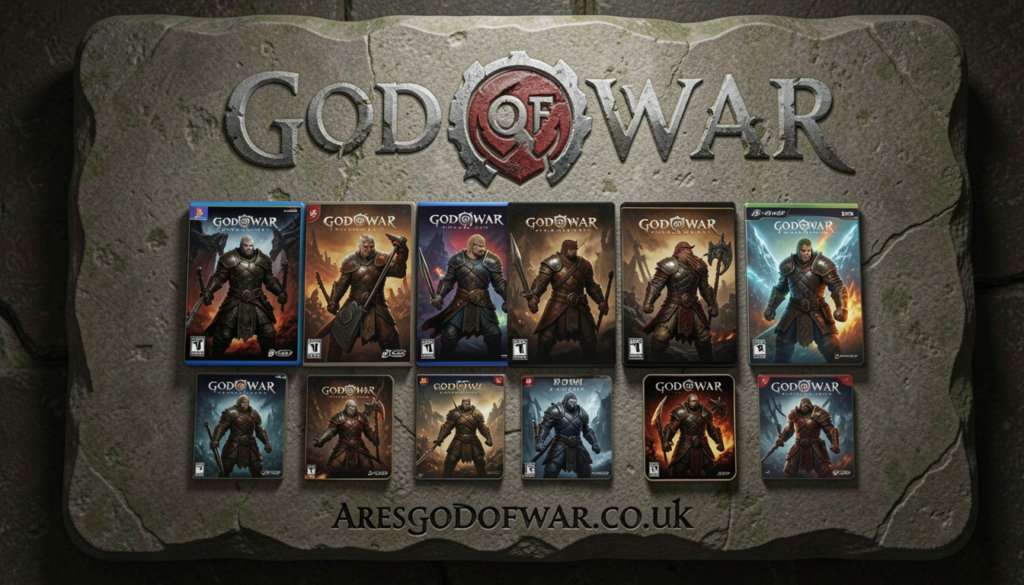
Conclusion: Embracing the God of War Experience
In the vast landscape of video gaming, few franchises have left as profound an impact as the God of War series. Understanding how to play God of War games in order is crucial for both newcomers and seasoned players alike, as it provides context to the rich narrative woven throughout the titles. Each installment builds upon the last, offering greater depth to the central themes of vengeance, redemption, and the intricate dynamics of fatherhood.
The games take players on a journey not just through fantastical realms and epic battles, but also through Kratos’s metamorphosis. Starting from the vengeful god bent on destruction to a more reflective father, the evolution of Kratos serves to resonate deeply with players. This character development can be fully appreciated by engaging with the series as intended, in chronological order. By doing so, players gain insights into both the character’s motivations and the overarching plot, enriching the gaming experience.
Moreover, the God of War series delves into broader philosophical questions. It grapples with the consequences of violence and the struggle for self-identity within the confines of familial relationships. Each game invites players to confront their own beliefs about vengeance and forgiveness through Kratos’s odyssey. Thus, playing these games in their meaningful sequence is not merely an option; rather, it enhances the narrative’s emotional resonance, ensuring that every twist, character development, and thematic exploration hits home.
Ultimately, embarking on the journey of how to play God of War games in order not only provides a superior gaming experience but also fosters a deeper connection with the character and the narrative. Players are encouraged to immerse themselves in this epic saga, to explore the layers of storytelling, and to feel the weight of choices made. The saga of God of War is one that rewards patience and attention, and in embracing it fully, players discover a rich tapestry of gameplay, storytelling, and profound themes that linger long after the credits roll.
Also read aresgodofwar.co.uk
Email: johanharwen314@gmail.com
Author Name: Johan Harwen