
 johnharwen314@gmail.com
Introduction
You just picked up your violin, and now you are staring at a blank music stand wondering where to find good violin sheet music. This is the moment every player faces, whether you started last week or you have been practicing for years. Violin sheet music is the bridge between the sounds in your head and the music that actually comes out of your instrument. Without the right sheets, even talented players feel stuck.
I remember searching for hours online, downloading random PDFs that turned out to be wrong or too advanced. It was frustrating, and I know many of you have felt the same way. That is exactly why this guide exists.
In this article, you will learn where to find reliable violin sheet music, how to pick the right level for your skill, what experts recommend, and how to read music faster. You will also get quick answers to the questions most players search for online. Let us get started.
What Is Violin Sheet Music, Exactly?
Violin sheet music is a written notation system that tells you which notes to play, how long to hold them, and how to phrase each passage. It uses the treble clef, and it includes symbols for bowing, dynamics, and fingering.
Think of it as a map. Without it, you are guessing your way through a song. With it, you know exactly where to go next.
Why It Matters for Every Skill Level
Beginners need sheet music to build reading habits early. Intermediate players use it to expand their repertoire. Advanced players rely on it to interpret complex pieces with accuracy. No matter your stage, sheet music keeps your practice focused and productive. What Is a Miser?
Where Can You Find Good Violin Sheet Music?
This is the most common question new players ask. Here is a simple breakdown.
| Source Type | Best For | Cost |
|---|---|---|
| IMSLP | Classical pieces, public domain scores | Free |
| MusicNotes | Popular songs, film scores | Paid |
| 8notes | Beginner to intermediate pieces | Free and paid |
| Sheet Music Plus | Wide catalog, all genres | Paid |
| Local music teacher | Custom arrangements, guided learning | Varies |
I personally started with IMSLP because it holds thousands of classical scores at no cost. Once I moved into pop and film music, I switched to paid platforms for accuracy and clean formatting.
How Do You Choose the Right Sheet Music for Your Level?
Picking sheet music that matches your ability keeps you motivated instead of overwhelmed. Here is a quick way to check.
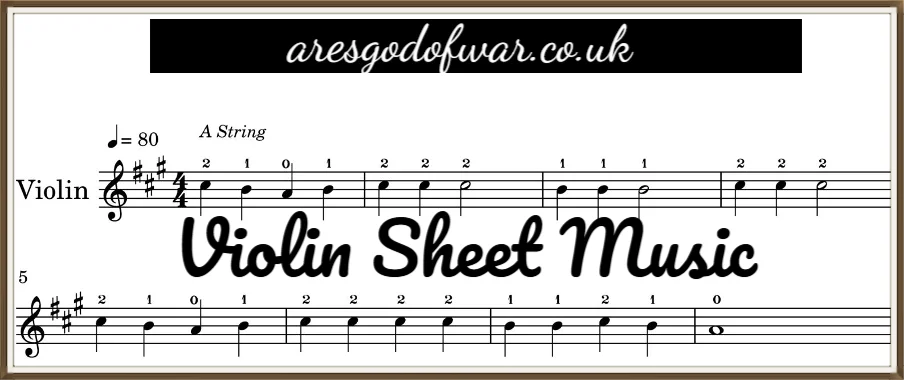
- Beginner: Look for simple melodies with whole, half, and quarter notes. Songs like Twinkle Twinkle Little Star or Ode to Joy work well.
- Intermediate: Try pieces with basic double stops, shifting, and moderate tempo changes.
- Advanced: Choose concertos, sonatas, or fast passages that demand strong bow control and finger accuracy.
A simple rule many teachers share is this. If you cannot sight read at least seventy percent of a piece smoothly, it is likely too advanced for your current level. Source: ViolinLab
What Do Experts Say About Learning From Sheet Music?
Music educators consistently highlight that reading sheet music strengthens memory, coordination, and musical understanding far more than learning by ear alone. Professional violin teachers often note that students who train with structured sheet music tend to progress faster because they build a habit of recognizing patterns instead of memorizing songs one by one.
Many conservatory instructors also recommend combining sheet music practice with listening to recordings of the same piece. This helps you understand phrasing and expression that notation alone cannot fully capture.
How Many People Actually Play the Violin Today?
According to global music industry surveys, the violin remains one of the top five most popular orchestral instruments learned by students worldwide. Music education reports also show a steady rise in online sheet music downloads over the past few years, driven largely by remote learning and self taught musicians using digital platforms.
This growth shows one clear trend. More people are turning to digital violin sheet music than ever before, and the demand for beginner friendly resources keeps increasing every year.
Free vs Paid Violin Sheet Music: Which One Should You Choose?
Both options work well depending on your goals.
Free sheet music is great when:
- You are a beginner testing different songs
- You want classical pieces in the public domain
- You are on a tight budget
Paid sheet music is better when:
- You need accurate, professionally edited scores
- You want popular or modern songs
- You require specific arrangements for recitals or exams
I usually recommend starting free, then investing in paid scores once you know your preferred style.
How Can You Read Violin Sheet Music Faster?
Reading speed improves with consistent habits, not shortcuts. Try these steps.
1. Learn note names on the staff first
Memorize the lines and spaces before worrying about rhythm.
2. Practice with rhythm clapping
Clap the rhythm before you play it. This separates note recognition from finger movement.
3. Use small sections
Break every piece into four or eight bar sections instead of reading the whole page at once.
4. Practice sight reading daily
Even five minutes a day builds strong recognition skills over time.
5. Use a metronome
A steady tempo trains your brain to predict the next note instead of guessing.
What Are the Best Apps for Violin Sheet Music?
Digital tools have changed the way musicians practice. Some popular options include:
- MuseScore for free notation and playback
- Newzik for interactive digital sheet music
- IMSLP mobile app for classical scores on the go
- Yousician for guided beginner lessons
These platforms often include playback features, which help you hear the piece before you attempt it yourself.
Jessica Alba Ethnicity
Common Mistakes Beginners Make With Sheet Music
Many new players fall into similar traps. Avoid these to save time.
- Choosing pieces that are too advanced too soon
- Skipping rhythm training and focusing only on notes
- Ignoring bowing marks
- Practicing too fast before mastering accuracy
- Not reviewing sheet music away from the instrument
I made almost all of these mistakes early on, and slowing down fixed most of them.
Frequently Asked Questions
1. What is the easiest violin sheet music for beginners? Simple folk songs like Mary Had a Little Lamb or Twinkle Twinkle Little Star work best because they use basic notes and rhythms.
2. Can I learn violin without reading sheet music? Yes, some players learn by ear, but reading sheet music speeds up progress and improves long term musical understanding.
3. Where can I download free violin sheet music legally? Websites like IMSLP offer free public domain scores that are completely legal to download and print.
4. How long does it take to read violin sheet music fluently? Most beginners become comfortable within three to six months of consistent daily practice.
5. Is violin sheet music the same as piano sheet music? No, violin sheet music is written only in the treble clef, while piano music includes both treble and bass clefs.
6. What app is best for violin sheet music? MuseScore and Newzik are widely used because they offer free access and interactive playback features.
7. Do professional violinists still use printed sheet music? Yes, many professionals use printed or digital sheet music during rehearsals and performances for accuracy.
8. Can violin sheet music help with exam preparation? Yes, structured sheet music aligned with grading systems helps students prepare accurately for exams and recitals.
Final Thoughts
Violin sheet music is more than paper with notes on it. It is the foundation that helps you grow as a musician, whether you are just starting or preparing for a big performance. By choosing the right level, practicing consistently, and using trusted sources, you will notice real improvement much faster than you expect.
So the next time you sit down with your violin, ask yourself this. Are you choosing sheet music that challenges you just enough to grow, without overwhelming you? Try one new piece this week and see how far you can push your skills. If this guide helped you, share it with a fellow musician who might be searching for the same answers.
aresgodofwar
About the Author
Sarah Bennett is a music writer and lifelong violin enthusiast with over eight years of experience teaching beginner string students. She enjoys breaking down complex musical concepts into simple, practical advice for learners of all ages.