Introduction
If you love epic stories about gods, monsters, and heroes, you have probably come across god of war mythology 59. It is one of those topics that keeps pulling fans back in, year after year. You open one article, and suddenly you are three hours deep into forum threads and lore videos. That happened to me too. I started with a simple question and ended up mapping out an entire mythological universe on a notepad.
This guide breaks down god of war mythology 59 in a way that actually makes sense. You will learn where the mythology comes from, who the major gods are, and why this saga still matters in 2026. We keep things simple, skimmable, and free of confusing jargon. By the end, you will understand god of war mythology 59 well enough to explain it to a friend over coffee.
Let us get into it.
What Is God Of War Mythology 59
At its core, god of war mythology 59 refers to the rich blend of ancient legends that shape one of gaming’s most respected mythological worlds. It combines real historical belief systems with creative storytelling. That mix is exactly why god of war mythology 59 feels so believable and so emotional at the same time.
You are not just reading about random gods fighting each other. You are watching a story built on centuries of human imagination. That is the real magic behind god of war mythology 59.
Origins Of God Of War Mythology 59
Every great story needs roots, and god of war mythology 59 has deep ones. The foundation comes from two major mythological traditions.
- Ancient Greek mythology, full of gods, titans, and tragic heroes
- Norse mythology, filled with fate, war, and the end of the world
These two traditions did not exist together in real history. Yet god of war mythology 59 blends them into one connected timeline. That creative choice is bold, and it works because both mythologies share similar themes. Power, family, betrayal, and destiny sit at the heart of god of war mythology 59.
Greek Roots Behind God Of War Mythology 59
The Greek chapter of god of war mythology 59 draws from names you probably already know. Zeus, Ares, Athena, and Poseidon all play major roles. These gods were never gentle in original Greek texts. They were jealous, proud, and often cruel to mortals.
That harsh personality carries directly into god of war mythology 59. The gods do not act like distant, holy figures. They act like flawed, powerful beings with real emotions. This choice makes god of war mythology 59 feel personal instead of distant.
I remember reading Greek myths in school and thinking the gods felt cold on paper. Seeing them reimagined through god of war mythology 59 gave them new life. Suddenly, their anger and pride felt real.
Norse Influence In God Of War Mythology 59
After the Greek era, the story shifts north. Norse mythology brings a completely different tone to god of war mythology 59. Instead of sunny mountains and marble temples, you get snow, ash, and cold prophecy.
Odin, Thor, Freya, and Baldur become central figures. Norse belief focuses heavily on fate. Nothing feels random in god of war mythology 59 once Norse themes take over. Every action seems to push toward one unavoidable ending, much like the real myth of Ragnarok.
This shift shows real respect for the source material. God of war mythology 59 does not just borrow names. It borrows the emotional weight behind them.
Key Gods And Characters In God Of War Mythology 59
Understanding the main characters makes god of war mythology 59 much easier to follow. Here are the figures you should know.
Kratos And His Journey
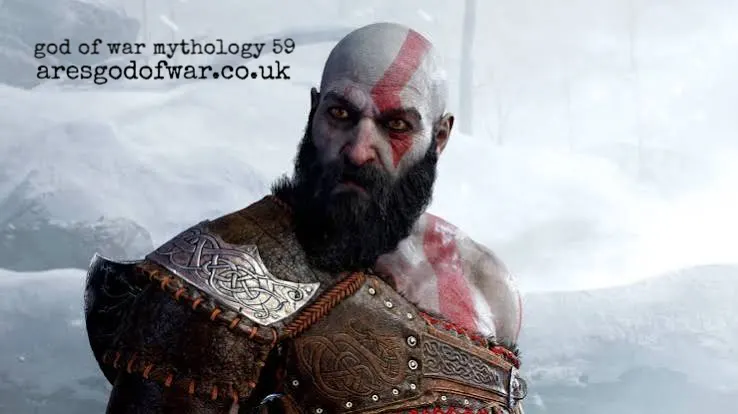
Kratos sits at the center of god of war mythology 59. He starts as a man consumed by rage and revenge. Over time, his story shifts toward guilt, fatherhood, and slow redemption.
This change matters a lot. It turns god of war mythology 59 from a simple revenge tale into a deeper study of personal growth.
Norse Gods You Should Know
Once the story moves north, several Norse gods shape the direction of god of war mythology 59.
- Odin, the all father who values knowledge over honesty
- Thor, a powerful but conflicted warrior god
- Freya, a mother driven by love and grief
- Baldur, cursed and desperate for release
Each character adds emotional depth to god of war mythology 59. None of them feel like simple heroes or villains. They feel human, even though they are gods.
source: Reddit.com
Why God Of War Mythology 59 Still Matters In 2026
You might wonder why people still talk about god of war mythology 59 today. The answer is simple. Great mythology never really goes out of style.
Ancient cultures used these stories to explain fear, death, love, and power. God of war mythology 59 keeps that purpose alive for a modern audience. It takes old lessons and presents them in a format that feels exciting and relevant.
In 2026, interest in mythology based stories continues to grow. Shows, books, and games keep pulling from the same ancient wells. God of war mythology 59 remains one of the strongest examples of doing this well.
How To Explore God Of War Mythology 59 Today
If you want to dive deeper into god of war mythology 59, you do not need to start from scratch. A few simple steps help a lot.
- Start with a basic overview of Greek mythology
- Move on to Norse mythology once you feel comfortable
- Watch or read summaries that connect both timelines
- Pay attention to character motivations, not just battles
Following this order helps everything about god of war mythology 59 click into place naturally. You stop seeing random gods and start seeing a connected world.
Common Myths People Get Wrong About God Of War Mythology 59
A few misunderstandings pop up often when people discuss god of war mythology 59. Let us clear a few up.
Myth: The gods are historically accurate. They are not. God of war mythology 59 takes creative freedom with personalities and events.
Myth: Greek and Norse myths originally connected. They did not. God of war mythology 59 merges them for storytelling purposes only.
Myth: The story is only about violence. It is not. Family, grief, and redemption drive most of god of war mythology 59.
Clearing up these points helps new fans enjoy god of war mythology 59 with the right expectations.
Conclusion
God of war mythology 59 blends ancient belief systems into one powerful, emotional story. It respects Greek and Norse traditions while adding its own creative spin. From Kratos to Odin, every character adds meaning to the bigger picture.
Understanding god of war mythology 59 gives you a deeper appreciation for both mythology and storytelling. Now that you know the basics, which part of god of war mythology 59 do you find most interesting? Share your thoughts, and pass this guide along to a friend who loves mythology as much as you do.
FAQs
What is god of war mythology 59 based on? It is based on real Greek and Norse mythology, reshaped into a connected fictional story.
Are Greek and Norse gods connected in real mythology? No. Real history keeps them separate. God of war mythology 59 connects them for storytelling.
Who is the most important character in god of war mythology 59? Kratos remains the central figure, with major support from gods like Odin and Freya.
Why do people compare Greek and Norse gods in this story? Both traditions share themes like power, fate, and family, making the comparison natural.
Is god of war mythology 59 accurate to ancient texts? Not fully. It borrows heavily from myths but adds original characters and events.
Why is god of war mythology 59 still popular in 2026? Mythology never loses appeal, and this story presents it in an emotional, modern way.
Do I need mythology knowledge before exploring this topic? No. Basic curiosity is enough. The story explains most concepts as it unfolds.
About The Author
Sarah Mitchell writes about mythology, storytelling, and gaming culture. She enjoys breaking down complex legends into simple, engaging guides that help everyday readers connect with ancient stories.
aresgodofwar.co.uk
Email: johanharwen314@gmail.com
Author Name: Sarah Mitchell