Introduction
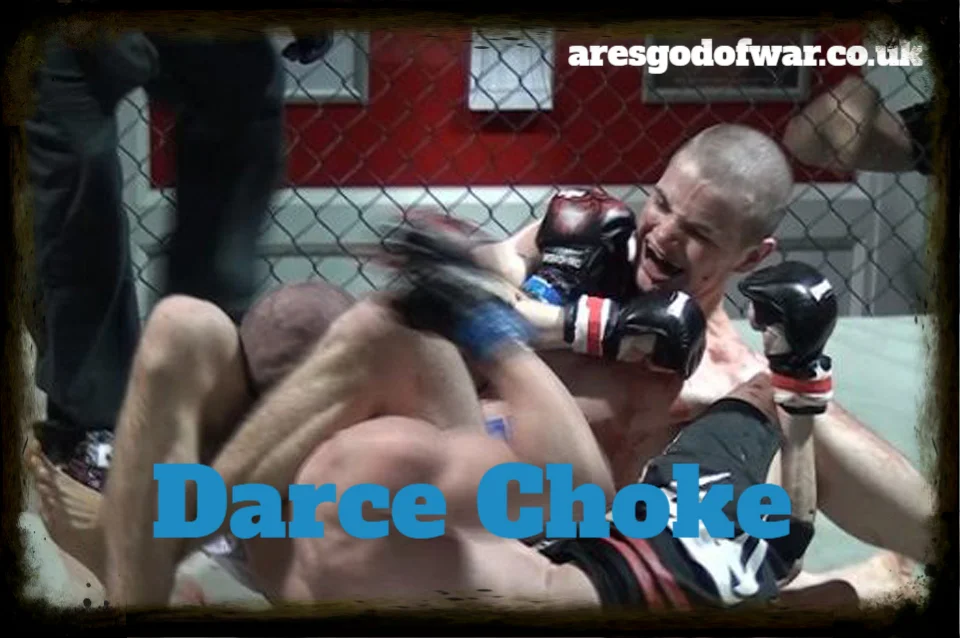
The DaThe Darce Choke is one of the most effective and versatile submission techniques in Brazilian Jiu-Jitsu (BJJ), known for its powerful combination of pressure, control, and versatility. This arm-triangle-style choke allows practitioners to finish opponents from various positions, including side control, half guard, and scrambles.
Whether you are a beginner learning fundamental BJJ submissions or an experienced grappler looking to improve your finishing skills, understanding the mechanics behind the Darce Choke is essential. Proper positioning, grip control, and timing play a major role in executing this technique successfully while avoiding common mistakes that can reduce its effectiveness.
In this complete Darce Choke BJJ guide, we will explore the technique step by step, share practical tips for improving your setup, and highlight the most common mistakes practitioners make when attempting this submission. By mastering these details, you can add a powerful weapon to your BJJ submission game.
What Is a Darce Choke?
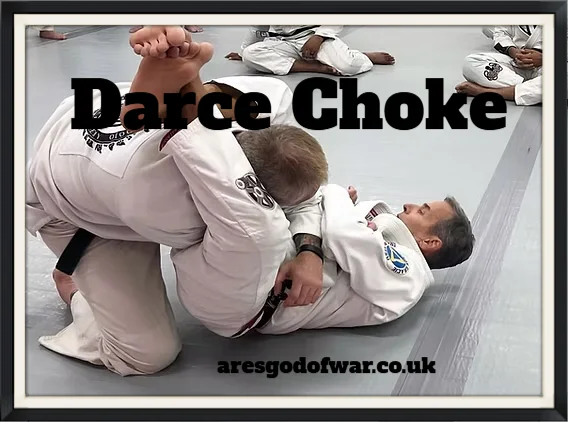
The darce choke is a blood choke that attacks the neck using your arm wrapped around your opponent’s head and one of their arms. It belongs to the family of arm triangle chokes, meaning you use your own arm along with your opponent’s arm to cut off blood flow to the brain. Once locked in tight, tapping out becomes the only option within seconds.
Many people search for the d’arce choke using different spellings, but they all refer to the exact same submission. The choke is named after Joe D’Arce, a grappler who popularized the move in the early 2000s.
How Does the Darce Choke Work?
The darce choke technique works by trapping your opponent’s head and arm between your bicep and forearm, then squeezing to compress the carotid arteries. This restricts blood flow to the brain rather than air to the lungs, which is why people often go unconscious quickly if they refuse to tap.
Your grip, usually a gable grip or a figure four, locks the position so your opponent cannot slip out. The tighter and higher your arm sits around the neck, the faster the choke takes effect.
History of the Darce Choke
The darce choke submission has roots in catch wrestling long before Brazilian Jiu Jitsu adopted it. Wrestlers used a similar head and arm control for pins and controls decades ago.
Joe D’Arce brought renewed attention to the choke in modern grappling circles, and BJJ practitioners quickly adapted it for submission purposes. Today it appears constantly in high level competition and MMA, proving its lasting value in grappling arts. SOURCE : Digitsu
Step by Step Guide to Performing a Darce Choke
Here is how to do a darce choke correctly from a common position.
- Get your opponent’s head and near arm exposed, usually from a front headlock or scramble.
- Slide your arm under their armpit and around their head, keeping your elbow tight.
- Reach through with your other hand and grab your own bicep or wrist to form a tight seal.
- Step or hip over to the side to add pressure and prevent escape.
- Squeeze your arms together while pulling your opponent’s head toward your chest.
- Hold the pressure steady until they tap or go limp.
Practicing this slowly with a cooperative partner helps you feel the correct arm placement before adding resistance.
Best Darce Choke Setups
A good darce choke setup depends heavily on position. Here are the most reliable entries used by black belts and MMA fighters alike.
From side control
The darce choke from side control works well when your opponent frames with their near arm. Once their arm crosses your body, you can scoop under their head and arm together, setting up the choke smoothly.
From half guard
When your opponent posts their arm to pass, half guard gives you a perfect angle to underhook and slide into darce position, especially if they overcommit to pressure.
From turtle
Turtle position often exposes the arm and neck at the same time, making it one of the easiest entries for beginners to practice this technique against a defensive opponent.
From front headlock
This is the classic entry. Scrambles often end with both fighters fighting for head control, and a tight front headlock transitions directly into a darce with minimal adjustment.
From sprawl
After sprawling on a takedown attempt, your opponent’s head naturally drops low. This creates a golden opportunity to snap the arm and head together for a fast finish. Itachi Crocs
How to Finish the Darce Choke Properly
Finishing the choke correctly requires more than just squeezing hard. Keep your grip high on the neck, not on the jaw or collarbone, since a low grip reduces pressure and gives your opponent room to breathe.
Rotate your body so your chest faces your opponent’s back, then pull their head toward your torso while walking your hips to increase the angle. Small adjustments in positioning often matter more than raw strength.
Common Darce Choke Mistakes
- Gripping too low on the neck instead of under the jaw.
- Leaving space between your arm and their neck.
- Forgetting to control the far side hip, allowing an easy escape.
- Rushing the finish before securing a tight seal.
- Ignoring posture, which lets opponents posture up and slip free.
How to Defend Against a Darce Choke
Darce choke defense starts before the choke locks in. Keep your chin tucked and your near arm tight against your body so your opponent cannot slide their arm through easily.
If you feel the arm sneaking under your head, post your free hand on their hip or shoulder immediately and create distance before the grip forms. Prevention is always easier than escaping once it is locked.
How to Escape a Darce Choke
A darce choke escape depends on timing. If caught early, pummel your trapped arm free by rotating your elbow downward while pushing your opponent’s arm away from your neck.
Another option is to drop your weight and roll toward the choking arm, which can loosen the grip long enough to slip your head out. Staying calm matters more than panicking, since panic often tightens your neck muscles and worsens the pressure.
Darce Choke vs Anaconda Choke
People often confuse the darce choke and the anaconda choke since both trap the head and arm together. The main difference lies in grip direction. The anaconda choke wraps from the front with a gable grip finished by rolling onto your back, while the darce wraps from behind the head with the finish applied from the side or top.
Both are equally effective, but many grapplers find the darce easier to transition into from scrambles and takedown defense.
Darce Choke vs Guillotine
The guillotine choke attacks the front of the neck using both arms wrapped around the throat, cutting off air and blood together. The darce choke, on the other hand, attacks from the side using one arm and the opponent’s own trapped arm.
Because the darce uses the opponent’s arm as part of the choke, it often catches people off guard who are only defending against a standard guillotine attempt. Exploring Fast Food Places Near Me
Darce Choke in Brazilian Jiu Jitsu
In Brazilian Jiu Jitsu competition, the darce choke appears frequently in scrambles, guard passing sequences, and takedown exchanges. Its versatility makes it a staple for competitors at every belt level.
Many top competitors chain the darce choke together with kimura attempts or back takes, giving opponents multiple problems to solve at once.
Darce Choke in MMA
Darce choke MMA finishes have ended fights at the highest level, including UFC events. Fighters often set it up after a stuffed takedown, when their opponent’s head drops low during the scramble.
Because MMA fighters wear less protective grip clothing than gi practitioners, the choke can sometimes be trickier to lock fully, so timing and explosiveness matter even more in this setting.
Benefits of Learning the Darce Choke
- Works from multiple positions, giving you more attacking options.
- Requires no gi, making it perfect for no gi grapplers and MMA athletes.
- Finishes fights and matches quickly once secured properly.
- Builds strong scramble instincts and head control awareness.
- Complements other submissions like the kimura and guillotine.
Tips for Beginners
Start slow and drill the grip repeatedly before adding resistance. Focus on head position first, since a loose head control ruins even a perfect arm wrap.
I always tell newer students to practice the darce choke technique against a compliant partner for weeks before trying it live. Muscle memory beats improvisation every time, especially with a technical submission like this one.
Final Thoughts
The darce choke remains one of the most reliable and exciting submissions in grappling today. From beginners drilling their first setup to seasoned MMA fighters finishing fights on the biggest stages, this choke rewards patience, timing, and correct technique over raw strength.
Keep practicing the setups covered here, study your defense just as hard as your offense, and soon enough you will find yourself hunting for the darce choke in every scramble. Ready to drill it on the mats this week? Share this guide with your training partners and start sharpening your submission game today.
Frequently Asked Questions
Is the darce choke legal in BJJ competition?
Yes, the darce choke is completely legal at every belt level in gi and no gi Brazilian Jiu Jitsu competition.
What is the difference between darce and d’arce choke?
There is no difference. Both spellings refer to the same submission named after grappler Joe D’Arce.
Can you do a darce choke without a gi?
Yes, the darce choke works great in no gi grappling and MMA since it relies on body positioning rather than grips on clothing.
How long does it take to learn a darce choke?
Most students grasp the basic mechanics within a few weeks of consistent drilling, though mastering the finish under resistance can take months.
Why does my darce choke keep slipping?
A slipping choke usually means your grip sits too low on the neck or your opponent’s posture broke your seal. Reset your grip higher and control the hips.
Is the darce choke dangerous?
Like any blood choke, it can cause unconsciousness quickly, so always train with a responsible partner and tap early during practice.
Which is easier, darce choke or anaconda choke?
Most beginners find the darce choke slightly easier since the finishing mechanics feel more natural without needing to roll onto your back.
Most beginners find the darce choke slightly easier since the finishing mechanics feel more natural without needing to roll onto your back.
Most beginners find the darce choke slightly easier since the finishing mechanics feel more natural without needing to roll onto your back.
aresgodofwar
About the Author
Our editorial team specializes in combat sports content, working closely with grappling coaches and MMA analysts to produce accurate, practical guides for both beginners and competitors. This article was researched and written to help readers understand submission techniques clearly and apply them safely on the mats.