 johnharwen314@gmail.com
Introduction
If you have ever wondered what makes God of War Mythology 69 one of the most talked-about gaming experiences right now, you are not alone. Millions of players around the world are diving deep into its rich mythological world, unraveling ancient stories, and pushing through brutal combat challenges. This game pulls you in from the very first moment and never lets go.
God of War Mythology 69 blends real-world mythology with stunning storytelling. Whether you are a longtime fan of the series or someone who just picked up a controller, this guide is built for you. In the next few minutes, you will learn everything about the mythology behind the game, the gods you face, the weapons you use, and the secrets that most players miss. Let us get into it.
What Is God of War Mythology 69?
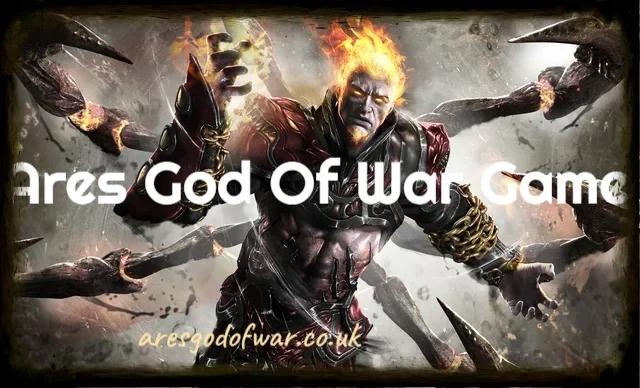
God of War Mythology 69 is the latest chapter in the iconic God of War franchise. It continues Kratos’s journey across mythological worlds filled with gods, monsters, and ancient power. The game draws heavily from real mythological traditions, which is what makes it feel so alive and believable.
The number 69 in the title refers to the in-game timeline, marking the 69th era of divine conflict across the mythological realms. It is not just a sequel. It is a deeper, more layered experience that rewards players who pay attention to the lore.
Here is what sets this entry apart:
- A brand new mythological realm to explore
- Expanded god roster with deeper backstories
- New weapons rooted in real ancient mythology
- More complex moral choices tied to mythological consequences
The Mythology Behind God of War Mythology 69
Greek Roots That Never Disappear
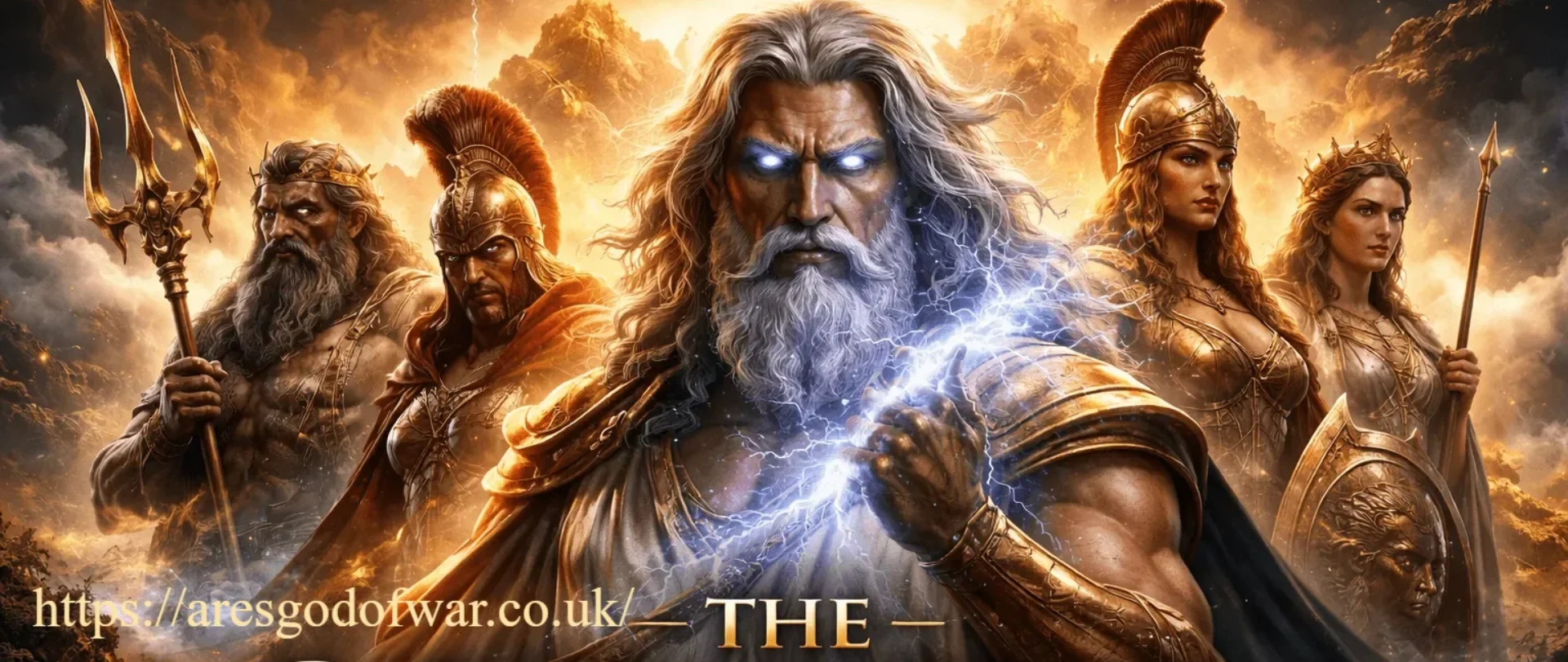
Even though the series moved into Norse territory a few entries ago, God of War Mythology 69 brings back strong Greek mythological elements. You will encounter echoes of Olympus, references to the Titans, and familiar faces from the original trilogy. The developers weave these threads carefully into the new narrative.
Greek mythology in the game covers:
- The origins of Kratos as a Spartan warrior blessed (and cursed) by Ares
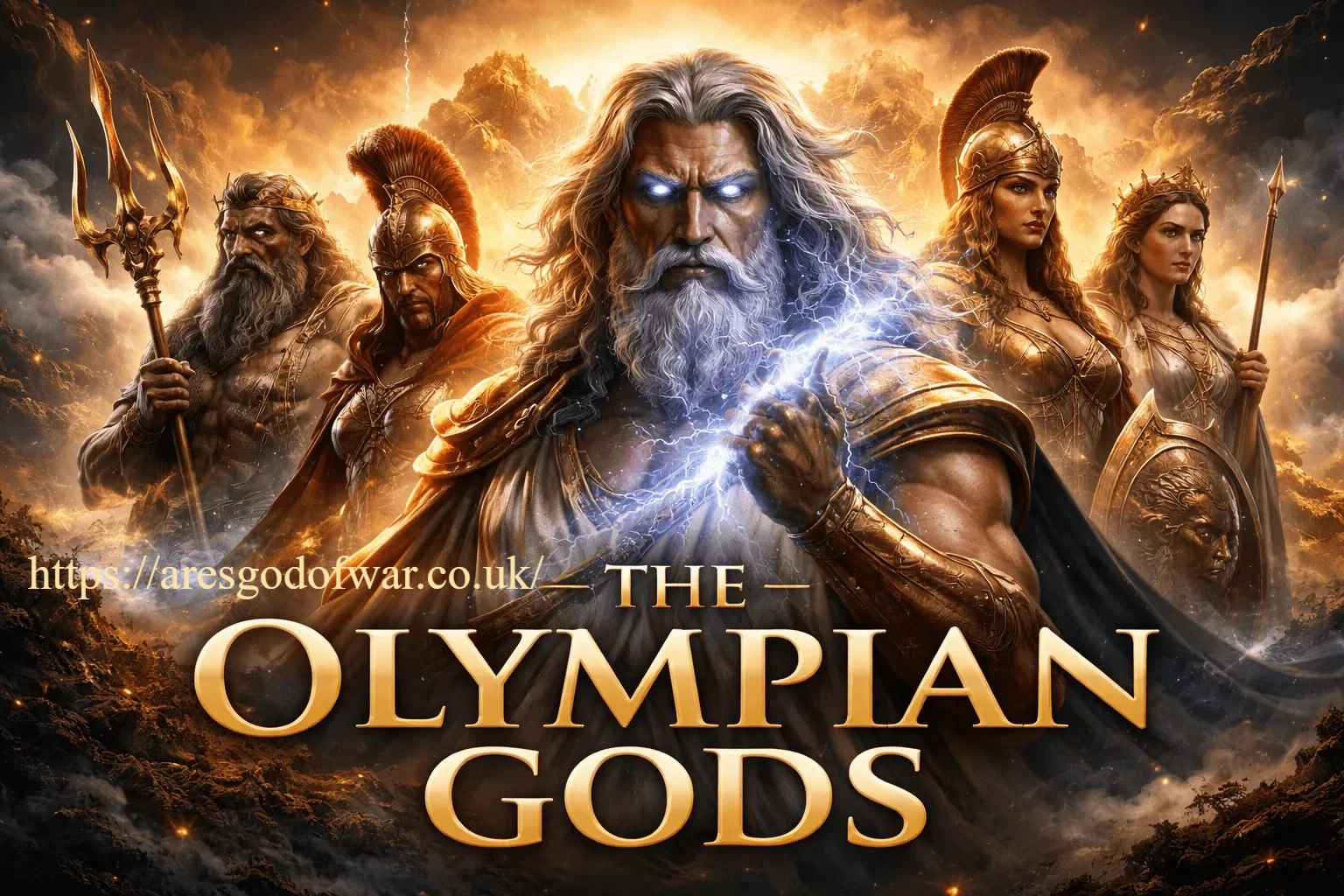
- Echoes of Zeus’s power rippling across different mythological dimensions
- Hidden shrines dedicated to Athena and Apollo scattered throughout the world
Norse Mythology Expands Further
The Norse side of God of War Mythology 69 goes deeper than any previous entry. You travel through realms that touch on real Norse texts like the Prose Edda and the Poetic Edda. The developers worked with mythology scholars to make the world feel authentic.
Key Norse mythology elements include:
- Yggdrasil, the World Tree, plays a central role in the main story
- The Nine Realms are all accessible and each holds unique mythological challenges
- Odin’s obsession with forbidden knowledge drives the central conflict
- Freya’s complex role as both warrior and mother reflects real Norse tales
A New Mythology Enters the Story
This is where God of War Mythology 69 truly surprises players. A third mythological tradition enters the narrative. Without spoiling too much, ancient Mesopotamian mythology bleeds into the story through a mysterious new character. This is historically fascinating because Mesopotamian myths predate both Greek and Norse traditions, making this addition feel both bold and meaningful.
The Gods You Will Face in God of War Mythology 69
Major Bosses Rooted in Real Myth
Every god in this game is grounded in actual mythology. The developers do not invent these figures from thin air. Here are some of the major divine enemies and allies you encounter:
Tyr reappears with a far more complex role. In real Norse myth, Tyr is the god of war and justice. The game honors that duality beautifully.
Nyx, the Greek goddess of night, makes a surprising appearance. She is one of the oldest deities in Greek mythology, predating even the Olympians. Her presence in the game carries serious lore weight.
Enlil, drawn from Mesopotamian tradition, serves as a looming background threat. In ancient texts, Enlil was a god of wind, storms, and supreme authority. The game uses that power dynamically.
Weapons and Their Mythological Origins
The Leviathan Axe Returns
The Leviathan Axe continues to be a core weapon in God of War Mythology 69. In Norse mythology, ice and cold represent the primordial realm of Niflheim. The axe draws from that tradition, channeling frost energy connected to ancient creation myths.
The Blades of Chaos
These iconic weapons have Greek mythological DNA baked into every swing. Originally forged by Ares, they represent the curse of war and rage. In God of War Mythology 69, new runes are carved into the blades that reference real ancient Greek inscriptions found in historical texts.
The New Weapon: The Spear of Anu
This is one of the most exciting additions in the game. The Spear of Anu is rooted in Mesopotamian mythology. Anu was the sky god and father of all gods in ancient Sumerian belief. The spear channels lightning and divine authority, and it unlocks unique abilities tied to the Mesopotamian mythological lore woven into the story.
Hidden Mythological Secrets Most Players Miss
You will find layers of mythological detail hidden throughout the game world. Here are a few that most players walk right past:
- The Norns’ Chamber contains writings that mirror actual Old Norse runes found on real Viking runestones.
- A hidden shrine to Inanna (Mesopotamian goddess of love and war) sits in one of the game’s optional side areas. Finding it unlocks lore entries that explain the new mythology thread.
- The Olympian ghosts you encounter early in the game whisper lines directly adapted from Hesiod’s Theogony, one of the oldest Greek mythological texts.
- Tyr’s hidden vault contains artifacts from all three mythological traditions, hinting at a shared ancient origin for the game’s divine world.
Why God of War Mythology 69 Stands Above the Rest
The God of War series has always used mythology as more than window dressing. In God of War Mythology 69, the mythology IS the story. Every enemy, weapon, realm, and character choice connects back to real ancient traditions. That authenticity is what makes it feel so different from other action games.
You are not just fighting monsters. You are walking through history, myth, and culture. That is rare in gaming and even rarer done this well.
source: worldhistory.org
A few reasons this entry leads the pack:
- Deeper mythological research than any previous entry
- Emotional storytelling rooted in authentic ancient narratives
- A world that rewards curious players who dig into the lore
- Accessible enough for newcomers but rich enough for mythology fans
Conclusion
God of War Mythology 69 is not just a game. It is a mythology lesson wrapped in one of the most powerful combat experiences in modern gaming. From Greek origins to Norse realms to the ancient Mesopotamian thread, this entry pushes the franchise into bold new territory.
If you love stories, history, or just crushing divine enemies with legendary weapons, this game belongs in your collection. Dive into the mythology, pay attention to the hidden lore, and let the world pull you in.
What part of God of War Mythology 69 are you most excited to explore? Drop your thoughts and share this guide with a fellow gamer who needs it.
Frequently Asked Questions
Q1. What mythology does God of War Mythology 69 focus on? The game blends Greek, Norse, and Mesopotamian mythology into one connected narrative. Each tradition plays a distinct role in the story and game world.
Q2. Is God of War Mythology 69 suitable for players new to the series? Yes. The game includes enough backstory and context for new players while rewarding longtime fans with deeper lore connections.
Q3. Are the gods in God of War Mythology 69 based on real mythological figures? Most of the gods in the game are drawn directly from real mythological traditions. The developers consult historical texts to keep the portrayals grounded.
Q4. What is the Spear of Anu in God of War Mythology 69? It is a new weapon introduced in this entry, rooted in Mesopotamian mythology. It channels lightning and divine authority connected to the sky god Anu from ancient Sumerian belief.
Q5. Does God of War Mythology 69 continue Kratos’s story? Yes. Kratos remains the central character, and his journey across mythological realms continues with new challenges, divine enemies, and deeper personal stakes.
Q6. How long does it take to complete God of War Mythology 69? The main story takes roughly 20 to 25 hours. A full completion run including side quests, hidden lore, and all realms can take 40 to 60 hours.
Q7. Are there real Norse texts referenced in the game? Yes. The developers referenced the Prose Edda and Poetic Edda, two primary sources for Norse mythology, in building the game’s world and dialogue.
Q8. What makes God of War Mythology 69 different from earlier entries? The addition of Mesopotamian mythology as a third tradition is the biggest shift. It adds historical depth that no previous entry attempted.
Q9. Can you explore all Nine Realms in God of War Mythology 69? Yes. All Nine Realms are accessible in this entry, each with unique environments, enemies, and mythological stories tied to real Norse tradition.
Q10. Where can I find hidden mythological secrets in the game? Check optional side areas, Tyr’s hidden vault, and listen carefully to background whispers from Olympian ghosts. The game rewards exploration with rich mythological detail.
About the Author
James Calloway is a gaming journalist and mythology enthusiast with over a decade of experience covering action RPGs and ancient history. He has written for major gaming publications and holds a deep passion for the intersection of myth and interactive storytelling. When he is not playing games, James researches ancient texts and explores how historical cultures shaped modern entertainment.
aresgodofwar.co.uk
Email: johanharwen314@gmail.com
Author Name: James Calloway