
Introduction
December 2025 Social Security Payments are especially important because the holiday season and year-end payment schedule can create confusion for millions of retirees, SSDI recipients, and SSI beneficiaries. Whether you’re expecting your regular monthly check or wondering if you’ll receive an early payment before the New Year, understanding the official Social Security payment calendar can help you avoid surprises and plan your finances with confidence. In December 2025, some beneficiaries will receive two SSI payments due to the January 1 federal holiday, while retirement, survivor, and disability benefits will continue to follow the standard payment schedule based on birth dates.
In this complete guide, you’ll find the December 2025 Social Security payment schedule, eligibility details, payment dates for SSI, SSDI, retirement and survivor benefits, reasons why some recipients receive two deposits, what to do if your payment is delayed, and practical tips for managing your year-end benefits. Whether you’re a first-time beneficiary or a long-time recipient, this guide covers everything you need to know about December 2025 Social Security Payments in one place.
December 2025 Social Security Payment Schedule
The Social Security Administration (SSA) follows a specific schedule every month. Payments go out based on your birth date. December 2025 follows this same structure, but there is one important thing to know: when a payment date falls on a weekend or federal holiday, the SSA sends your payment on the business day before.
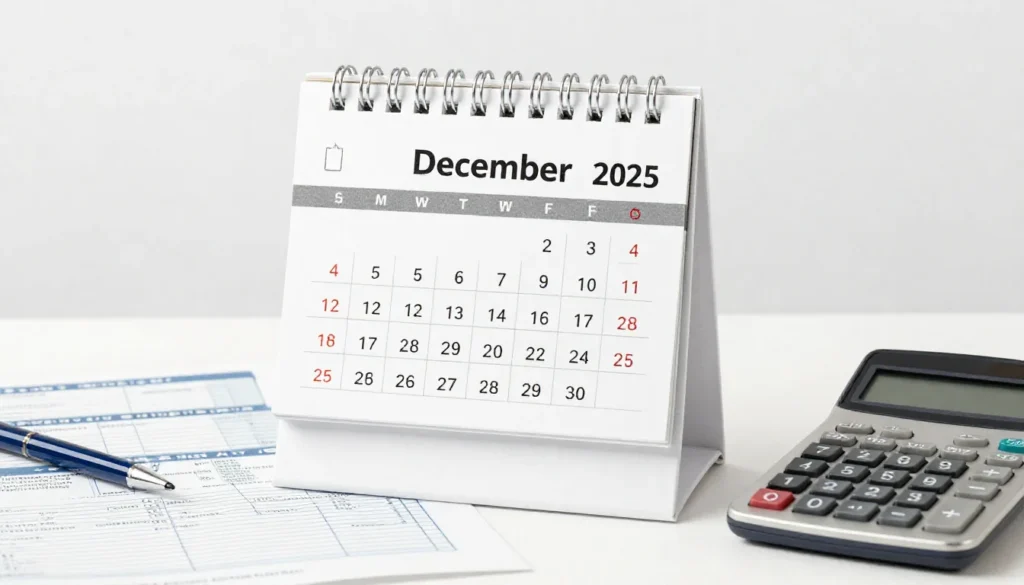
Here is the full December 2025 Social Security payment schedule:
| Payment Date | Who Receives Payment |
|---|---|
| December 3, 2025 (Wednesday) | People who started receiving benefits before May 1997 and SSI recipients (for January 2026) |
| December 10, 2025 (Wednesday) | Birthdays falling on the 1st through 10th of any month |
| December 17, 2025 (Wednesday) | Birthdays falling on the 11th through 20th of any month |
| December 24, 2025 (Wednesday) | Birthdays falling on the 21st through 31st of any month |
Notice something important here. The December 31 payment, which normally goes out at the end of the month, moves to December 24 because December 31 falls close to the New Year holiday period. This early payment is helpful if you plan your holiday spending carefully.
Who Gets Paid on Which Date?
A lot of people get confused about why they receive their payment on a different day than their neighbor or sibling. The SSA uses your birth date to assign your payment day. This system started in 1997 to spread out the volume of payments across the month.
Here is how it breaks down:
If you were born on the 1st through 10th: You receive your payment on the second Wednesday of each month. In December 2025, that is December 10.
If you were born on the 11th through 20th: You receive your payment on the third Wednesday of each month. In December 2025, that is December 17.
If you were born on the 21st through 31st: You receive your payment on the fourth Wednesday of each month. In December 2025, that is December 24.
If you started receiving benefits before May 1997: Your payment always comes on the 3rd of the month, regardless of your birth date. In December 2025, that falls on Wednesday, December 3.
If you receive both Social Security and SSI: Your Social Security payment follows the schedule above, but your SSI payment comes separately on December 1. However, since December 1 is a Monday in 2025, that payment will come as scheduled.
How the 2025 COLA Affects Your December Check
The Cost of Living Adjustment (COLA) is the annual increase the SSA applies to benefits. It helps your payment keep pace with inflation. For 2025, the SSA announced a 2.5% COLA increase. This went into effect starting with January 2025 payments.
By December 2025, you have already been receiving this adjusted amount for the entire year. If you have not yet calculated what that means for your monthly check, here is a quick way to think about it:
If you were receiving $1,800 per month in 2024, a 2.5% increase adds $45 to your monthly payment. That brings your monthly benefit to $1,845.
The 2.5% COLA for 2025 was lower than the 3.2% increase in 2024 and the very high 8.7% increase in 2023. Inflation has been cooling down, and the COLA reflects that trend.
For December 2025 specifically, your payment amount remains the same as every other month in 2025. The next COLA announcement (for 2026) will come in October 2025, and any new increase takes effect with January 2026 payments.
Here are a few key COLA facts to remember:
- The SSA calculates COLA using the Consumer Price Index for Urban Wage Earners and Clerical Workers (CPI-W).
- COLA increases apply automatically. You do not need to apply or call the SSA.
- Every recipient across all benefit categories receives the same percentage increase.
- COLA is not guaranteed. If inflation is not present, there may be no increase.
SSI Payments in December 2025
Supplemental Security Income works slightly differently from regular Social Security retirement or disability benefits. SSI payments normally go out on the 1st of each month. However, when the 1st falls on a weekend or holiday, the SSA sends the payment early.
For December 2025, SSI recipients will receive their December payment on December 1, 2025, which is a Monday. No early shift is needed.
Here is the part that confuses many people: the SSI payment you receive in December is technically your January 2026 benefit. The SSA sends it early to make sure you have funds before the holiday season. This is standard practice and does not mean you are getting an extra payment.
If you receive both SSI and regular Social Security benefits, your SSI arrives on December 1 and your Social Security payment follows on the date assigned to your birth date.
Important note for SSI recipients: If you receive a payment earlier than expected, do not spend it assuming it is a bonus. It is your next month’s payment arriving ahead of schedule.
What to Do If Your Payment Does Not Arrive
Most payments arrive exactly on schedule through direct deposit or arrive within a day or two if you use a mailed check. But sometimes things go wrong. Here is what you should do if your December 2025 Social Security payment does not show up on time.
Step 1: Wait three business days. The SSA asks that you wait at least three mailing days after your scheduled payment date before taking action. Banks can sometimes hold deposits for processing.
Step 2: Check your bank account carefully. Log into your bank account and search for any deposit from the U.S. Treasury or Social Security Administration. The deposit description might look different from what you expect.
Step 3: Log into your My Social Security account. The SSA’s official website at ssa.gov lets you check your payment status. Your My Social Security account shows scheduled payment amounts and dates.
Step 4: Contact the SSA directly. If three business days have passed and your payment has not arrived, call the SSA at 1-800-772-1213. The line is open Monday through Friday, 8 a.m. to 7 p.m. local time. Wait times can be long during the holiday season, so call early in the morning.
Step 5: Visit your local SSA office. If phone calls are not working, visit your nearest SSA office in person. Bring your ID and any documents related to your benefit.
How to Check Your Social Security Payment Status
Knowing how to check your payment status is one of the most useful skills you can have as a Social Security recipient. You do not have to wait by the mailbox or worry about whether your money is coming.
Here are the best ways to check your payment status:
My Social Security Online Account Go to ssa.gov and create or log into your My Social Security account. You can see your payment history, upcoming payment dates, benefit amounts, and even update your direct deposit information.
SSA Mobile App The SSA does not have its own dedicated app, but you can access your account through a mobile browser on your phone. The site is mobile-friendly.
Bank Alerts Set up text or email alerts through your bank. Most banks let you create a notification that triggers whenever a deposit hits your account. This is the fastest way to know your payment arrived.
Direct Express Card If you receive your payment on a Direct Express debit card, you can call 1-800-333-1795 or check the Direct Express website to see your account balance and recent transactions.
Tips to Manage Your December Social Security Payment Wisely
December is expensive. Holiday gifts, travel, heating bills, and extra food costs all pile up at once. If you live on Social Security income, that pressure can feel overwhelming. Here are some practical tips to help you stretch your December payment further.
Create a holiday budget early. Before your December payment arrives, write down exactly what you plan to spend on gifts, food, and other holiday items. Assign a number to each category. Stick to it.
Pay essential bills first. As soon as your payment arrives, cover rent or mortgage, utilities, groceries, and medications. These non-negotiables come before gifts or extras.
Avoid payday loans and cash advance services. Some people borrow money in December expecting to repay it when their check arrives. These services often charge very high interest rates and can leave you short in January. Avoid them if at all possible.
Take advantage of community resources. Many local food banks, churches, and community organizations offer holiday assistance programs. These programs can help cover groceries or gifts for children, freeing up your payment for bills.
Plan for January early. Remember that if you receive SSI, your January 2026 payment will arrive in December 2025. That means you will not receive an SSI payment in early January. Plan your January budget now so you are not caught off guard.
Use automatic bill pay. Set up automatic payments for recurring bills so you never miss a due date. This also prevents you from accidentally spending money you need for essentials.
Common Mistakes People Make With Their December Payment
People make the same financial mistakes every December. Knowing these in advance can help you avoid them.
Spending the SSI early payment as extra money. Many SSI recipients see an early deposit and assume it is a bonus. It is not. It is your January payment arriving early. Spending it in December leaves you without funds in January.
Not updating your bank account information. If you recently switched banks and did not update your direct deposit information with the SSA, your payment could be delayed or sent to the wrong account. Update your information at least 30 days before the expected payment date.
Ignoring mail from the SSA. The SSA sends important notices by mail. During December, they may send information about your 2026 benefit amount or COLA notice. Read all SSA mail carefully and respond if required.
Missing the Medicare premium deduction. If Medicare Part B premiums are deducted from your Social Security check, those deductions continue in December. Your net payment will be lower than your gross benefit. Make sure your budget reflects the actual amount you receive, not the gross figure.
Forgetting about taxable benefits. If your total income is above a certain threshold, up to 85% of your Social Security benefits may be taxable. December is a good time to review your income for the year and talk to a tax professional if needed.
Conclusion
December 2025 Social Security payments follow a clear and predictable schedule. Once you know your payment date based on your birth date, you can plan your holiday spending, pay your bills on time, and avoid the financial stress that the season can bring.
The key dates to remember are December 3, December 10, December 17, and December 24. SSI recipients should expect their payment on December 1, which will actually be their January 2026 benefit arriving early.
The 2025 COLA of 2.5% has already been included in every check you received this year. If you want to prepare for changes in 2026, watch for the SSA’s October announcement about the next COLA adjustment.
I always recommend setting up a My Social Security account online if you have not done so already. It puts all your payment information in one place and removes a lot of the uncertainty that comes with waiting for your check.
Do you have a strategy for managing your Social Security payment during the holidays? Share your tips in the comments or pass this article along to someone who could use it before December arrives.
FAQs
1. When will I receive my December 2025 Social Security payment? Your payment date depends on your birth date. If you were born on the 1st through 10th, you receive payment on December 10. If you were born on the 11th through 20th, your payment arrives December 17. If you were born on the 21st through 31st, your payment comes December 24. If you began receiving benefits before May 1997, your payment arrives December 3.
2. Will there be a Social Security payment on December 1, 2025? Yes. SSI recipients receive their payment on December 1, 2025. This payment covers January 2026. Regular Social Security retirement or disability recipients do not receive a payment on December 1 unless they started benefits before May 1997, in which case their payment arrives December 3.
3. Is the December 2025 Social Security payment amount different from other months? No. Your December payment amount is the same as every other month in 2025. The 2.5% COLA increase took effect in January 2025 and has been included in every payment throughout the year. Changes for 2026 take effect with the January 2026 payment.
4. What happens if my Social Security payment is late in December? Wait three business days after your scheduled payment date. Then check your bank account and your My Social Security account at ssa.gov. If the payment still has not arrived, call the SSA at 1-800-772-1213.
5. Will Social Security send an extra payment in December 2025? No. There is no extra payment in December 2025. Some SSI recipients may see what looks like an extra deposit because the January 2026 SSI payment arrives early in December. This is not an additional payment.
6. How do I update my direct deposit information with the SSA? Log into your My Social Security account at ssa.gov, go to your payment settings, and update your bank account information. You can also call 1-800-772-1213 or visit your local SSA office. Make changes at least 30 days before your next payment date.
7. Does the December Social Security payment schedule change every year? The general structure stays the same. Payments always go out on the second, third, and fourth Wednesday of the month based on birth dates. What changes year to year is the specific calendar date of those Wednesdays. Also, when a payment date falls on a holiday or weekend, the SSA adjusts the date.
8. Are Social Security payments taxable in December? Social Security benefits may be taxable depending on your total income for the year. If your combined income exceeds $25,000 for individuals or $32,000 for married couples filing jointly, up to 85% of your benefits may be subject to federal income tax. Consult a tax professional for guidance on your specific situation.
9. Can I receive my December Social Security payment by paper check? The SSA has largely moved to direct deposit and the Direct Express debit card. If you currently receive a paper check, it will arrive within three to five mailing days of your scheduled payment date. The SSA strongly encourages direct deposit for faster and more reliable delivery.
10. Where can I find the official December 2025 Social Security payment schedule? You can find the official schedule on the SSA’s website at ssa.gov. The SSA publishes the full year’s payment calendar in advance so you can plan ahead.
Read More…
About the Author
James R. Collins is a personal finance writer with over 10 years of experience covering Social Security, Medicare, and retirement planning. He has helped thousands of readers navigate government benefit systems through clear, practical, and jargon-free writing. When he is not writing, James volunteers with senior community centers to help older adults understand their financial options.