
 johnharwen314@gmail.com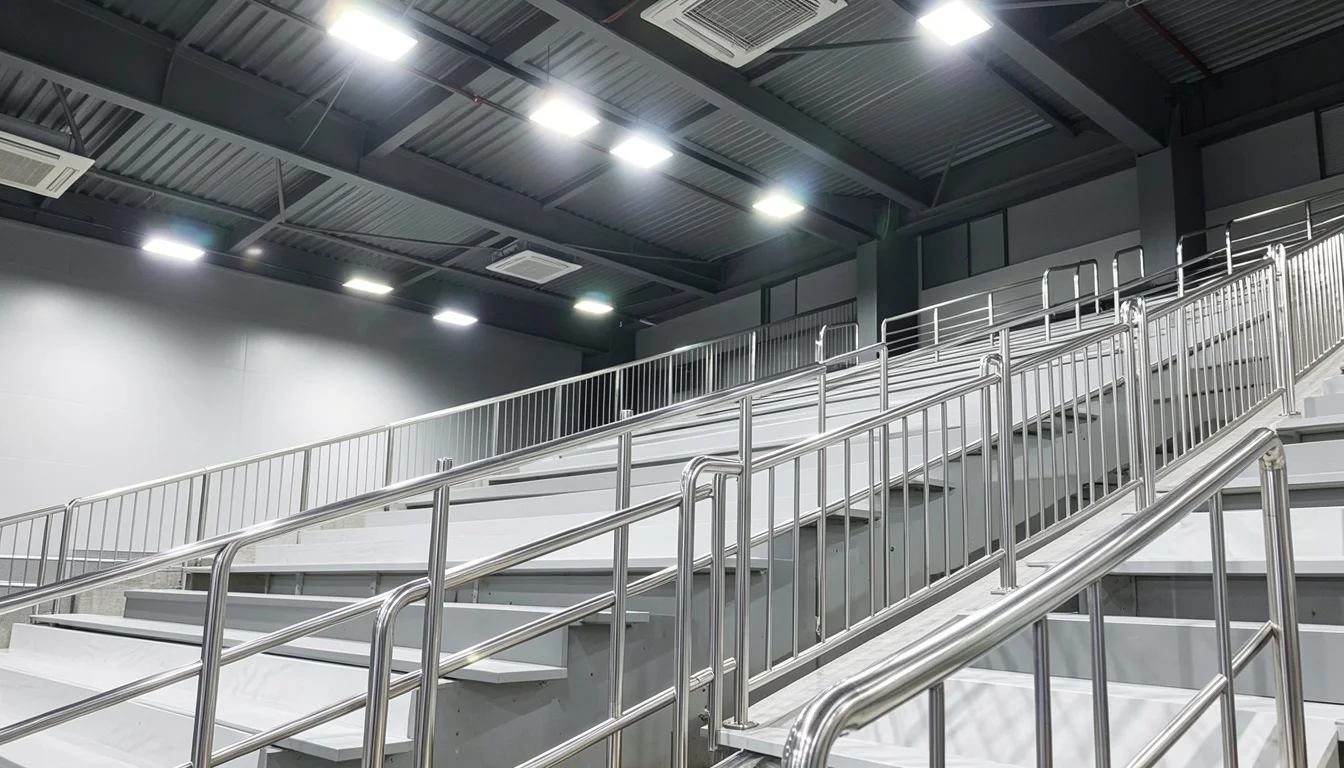
Introduction
When it comes to creating a professional and comfortable sports environment, choosing the right gym bleachers plays a crucial role. Whether you are upgrading a school gymnasium, community sports centre, or professional athletic facility, the best gym bleachers in 2026 offer improved safety, durability, space efficiency, and modern design features. With various options available, including retractable, portable, and fixed bleacher systems, finding the perfect fit requires understanding key features and benefits. In this guide, we’ll explore everything you need to know about gym bleachers, from essential features and advantages to important buying tips that help you make a smart investment.
What Are Gym Bleachers and Why Do They Matter?
Gym bleachers are tiered seating systems installed inside gymnasiums to provide structured, elevated seating for spectators. They come in many forms, from basic portable units to large, permanently installed grandstands.
The right gym bleachers do three important things. They maximize your seating capacity. They improve sightlines for every person in the crowd. And they create a professional, organized environment that elevates the experience for athletes and fans alike.
A poorly planned seating setup does the opposite. It creates crowding, poor visibility, and safety hazards. That is why choosing the right gym bleachers matters so much.
Types of Gym Bleachers You Should Know
Not all gym bleachers are the same. Understanding the main types helps you match the product to your specific needs.
Folding Bleachers
Folding bleachers are the most popular option for schools and multi-use gyms. They fold flat against the wall when not in use, which frees up floor space for other activities.
These are ideal if your gym hosts basketball games on Monday and yoga classes on Wednesday. You get full seating capacity when you need it and an open floor when you do not. Folding gym bleachers are also known as telescopic bleachers or retractable bleachers.
Key features to look for in folding bleachers:
- Smooth rolling mechanism for easy opening and closing
- Locking system to keep them securely in position when open
- Durable steel or aluminum frame
- Safety guardrails on upper rows
- ADA-compliant wheelchair spaces integrated into the design
Portable Bleachers
Portable bleachers are freestanding units that you can move from location to location. They are a great choice for facilities that host outdoor events, rented spaces, or temporary setups.
These gym bleachers work well for smaller gatherings. They typically seat anywhere from 20 to 200 people depending on the size you choose. The tradeoff is that they offer less seating capacity than fixed or folding systems.
Fixed Permanent Bleachers
Fixed bleachers are built into the structure of the facility. They do not move and cannot be stored away. These are best for dedicated sports arenas, large high school gymnasiums, or collegiate facilities where events happen almost every day.
Fixed gym bleachers offer the highest capacity and the most durable construction. However, they require a significant upfront investment and professional installation.
Outdoor to Indoor Bleachers
Some facilities need bleachers that work in both environments. These units are built with weather-resistant materials and can be transported between outdoor fields and indoor gyms. They bridge the gap between traditional outdoor grandstands and dedicated indoor gym bleachers.
How to Choose the Right Gym Bleachers for Your Facility
Choosing gym bleachers is not a one-size-fits-all decision. Several factors should guide your choice.
Step 1: Measure Your Available Space
Before you look at any products, measure your gym floor carefully. You need to know:
- The total length of the wall where the bleachers will go
- The height of the ceiling
- The distance from the wall to the playing surface
Most folding gym bleachers need between 18 and 30 inches of wall depth when fully closed. Make sure your gym can accommodate that without cutting into the playing area.
Step 2: Determine Your Seating Capacity Needs
Think about your largest events. How many people do you expect at a packed game or tournament? A good rule is to plan for at least 10 to 15 percent more seats than your current peak attendance. This gives you room to grow and prevents overcrowding.
Also consider your ADA requirements. Federal law requires accessible seating in public facilities. Check local codes to confirm the exact percentage of wheelchair spaces required for your total seating count.
Step 3: Set a Realistic Budget
Gym bleachers vary widely in price. Portable units can start around $1,500 to $5,000. Mid-range folding bleachers for a school gymnasium typically cost between $15,000 and $60,000 depending on size and features. Large fixed installations can reach $100,000 or more.
Remember to factor in installation costs, shipping, and any structural modifications your gym may need. Getting multiple quotes from reputable suppliers is always a smart move.
Step 4: Choose the Right Material
Aluminum and steel are the two most common materials for gym bleachers.
Aluminum is lightweight, rust-resistant, and easy to maintain. It is the preferred choice for most indoor gym bleachers. Steel is heavier and more affordable upfront but requires more maintenance to prevent rust over time.
For indoor use, aluminum wins in almost every situation. It lasts longer with less maintenance cost over the life of the product.
Step 5: Check Safety Standards
This is non-negotiable. Any gym bleachers you purchase should meet or exceed local building codes and the International Building Code (IBC) standards for bleacher safety. Look for compliance with ASTM F851 for portable bleachers and ensure that your permanent or folding bleachers meet state fire and egress requirements.
The Top Features That Separate Great Gym Bleachers from Mediocre Ones
When you compare different products, certain features separate quality gym bleachers from disappointing ones. Here is what to prioritize.
Smooth Telescoping Mechanism: The best folding gym bleachers open and close with minimal effort. Some units can be fully deployed by a single person in under a minute. Others require a crew and still jam. Ask for a live demonstration before you buy.
Sturdy Footboards and Rowboards: These are the surfaces people stand on and sit against. Cheap gym bleachers use thin wood or plastic that cracks and splinters over time. Quality units use reinforced aluminum plank or high-density polyethylene (HDPE) that holds up under heavy use for decades.
Integrated Guardrails: Any bleacher system with more than four rows should have guardrails on the top and sides. This is a safety requirement, not a luxury. Look for systems where the guardrails lock into position automatically as the bleachers open.
Under-Bleacher Storage: Many modern gym bleachers include enclosed storage space beneath the seating area. This is a fantastic feature for gyms that need to store equipment, mats, or supplies. It turns wasted space into functional storage.
Easy Maintenance Design: Look for bleachers with minimal crevices where debris can accumulate. Some systems feature open-back designs that make cleaning faster and easier. This matters more than you might think after a year of heavy use.
Common Mistakes Gyms Make When Buying Bleachers
I have seen facilities make the same errors repeatedly. Knowing these mistakes in advance saves you money and headaches.
Underestimating future growth: Buying gym bleachers based on today’s attendance is short-sighted. Think five to ten years ahead. Many facilities regret not buying a larger system when they had the chance.
Ignoring installation complexity: Some bleacher systems look affordable until you see the installation quote. Always get the all-in cost before comparing products. A cheaper bleacher with a complex installation can end up costing more than a premium unit with simple setup.
Skipping the safety inspection checklist: Once your gym bleachers are installed, you need a maintenance schedule. Annual inspections catch small problems before they become serious hazards. Bolts loosen. Rails weaken. Planks crack. A proactive inspection program keeps your bleachers safe and extends their lifespan significantly.
Choosing style over function: Some gyms prioritize how bleachers look over how they perform. Appearance matters, but function comes first. A beautiful set of gym bleachers that is difficult to operate or uncomfortable to sit on will frustrate everyone who uses them.
Gym Bleacher Safety: What Every Facility Manager Must Know
Safety is the most important topic when it comes to gym bleachers. Every year, bleacher-related injuries occur in schools and recreational facilities across the country. Most of these incidents are preventable.
The Consumer Product Safety Commission (CPSC) has published guidelines specifically for bleacher safety. Key areas to address include:
Guardrail requirements: Any open space wider than four inches in a guardrail or footboard opening poses a fall risk, especially for small children. Ensure your gym bleachers meet the four-inch rule throughout.
Egress and exit routes: People need to be able to exit quickly in an emergency. Your bleacher layout should never block emergency exits or reduce aisle widths below the required minimum. Work with your local fire marshal when planning your layout.
Weight capacity ratings: Every bleacher system has a rated weight capacity. Never exceed it. Calculate your maximum expected attendance and make sure your system handles that load with a comfortable safety margin.
Annual structural inspections: Hire a certified inspector to evaluate your gym bleachers at least once per year. They check for corrosion, loose fasteners, cracked planks, and compromised structural members. This is especially important for older systems.
Maintaining Your Gym Bleachers for Maximum Longevity
A good maintenance routine keeps your gym bleachers looking great and working safely for 20 to 30 years. Here is a simple framework to follow.
Monthly tasks:
- Wipe down all seating surfaces and footboards
- Check for loose bolts or fasteners and tighten as needed
- Test the telescoping mechanism and lubricate moving parts if needed
- Look for any cracked or damaged planks
Annual tasks:
- Full structural inspection by a qualified professional
- Repaint or refinish any areas showing rust or wear
- Replace any damaged footboards or rowboards
- Check guardrail integrity and locking mechanisms
After heavy use events:
- Sweep and clean all surfaces immediately
- Check for any damage caused during the event
- Operate the folding mechanism to confirm it still works smoothly
How Much Do Gym Bleachers Cost? A Clear Breakdown
Budget planning is easier when you understand what drives cost. Here is a straightforward breakdown.
Portable bleachers (small, 50 to 100 seats): $1,500 to $8,000
Folding gymnasium bleachers (200 to 500 seats): $20,000 to $75,000
Folding gymnasium bleachers (500 to 1,500 seats): $60,000 to $150,000
Fixed permanent bleachers (large installations): $100,000 and up
Installation costs: typically 15 to 25 percent of the product cost
Shipping: varies by location and product weight, usually $1,000 to $5,000 for large units
Getting three competing quotes from different suppliers almost always saves money. Many suppliers also offer financing or leasing options, which can make a higher-quality system affordable on a tighter annual budget.
Top Brands and Suppliers for Gym Bleachers
Several well-established companies dominate the gym bleachers market in the United States.
Hussey Seating Company is one of the oldest and most respected names in the industry. They produce high-quality telescoping and fixed bleacher systems for schools, universities, and professional venues.
Irwin Seating Company offers a wide range of bleacher products with strong customization options. Their customer service and warranty programs are consistently well-reviewed.
Southern Bleacher Company specializes in both indoor and outdoor seating systems. They are known for durable construction and competitive pricing.
Dant Clayton focuses heavily on school gymnasiums and community recreation facilities. They offer strong safety compliance across all their products.
When evaluating any supplier, ask for references from facilities similar in size to yours. Speak directly with those facilities and ask about their experience with installation, product performance, and ongoing support.
Conclusion
Gym bleachers are one of the most impactful investments your facility can make. They organize your crowd, protect your spectators, create a professional atmosphere, and maximize the use of your gym space. Done right, a great set of gym bleachers serves your community for decades.
The key is to plan carefully. Measure your space, calculate your seating needs, set a realistic budget, and prioritize safety and quality over the lowest price tag. Take your time comparing suppliers, and never skip the safety inspection process once your bleachers are installed.
We would love to hear from you. What is the biggest challenge your facility faces when it comes to seating? Leave a comment, share this article with your fellow gym managers, or reach out to a bleacher supplier today to take the first step toward a better spectator experience.
Frequently Asked Questions About Gym Bleachers
Q1: How long do gym bleachers typically last? High-quality aluminum gym bleachers typically last 25 to 40 years with proper maintenance. Steel systems may have a shorter lifespan due to rust if not maintained properly.
Q2: What is the standard row depth for gym bleachers? Most indoor gym bleachers use a row depth of 18 to 22 inches. This provides comfortable seating without taking up excessive floor space.
Q3: Can I install gym bleachers myself? Portable bleachers can often be set up without professional help. However, folding and fixed bleacher systems require professional installation to meet building codes and ensure structural safety.
Q4: How do I know how many seats I need? Calculate your average peak attendance and add 15 to 20 percent as a growth buffer. Also factor in standing room, press areas, and ADA seating requirements.
Q5: Are gym bleachers required to be ADA compliant? Yes. Any bleacher system installed in a public facility must comply with the Americans with Disabilities Act. This includes wheelchair spaces, companion seating, and accessible routes to those seats.
Q6: What is the difference between telescoping and folding bleachers? These terms are often used interchangeably. Telescoping bleachers fold by sliding rows back into each other in a telescope-like fashion and then fold flat against the wall. All folding gym bleachers use some version of this mechanism.
Q7: How often should gym bleachers be inspected? At a minimum, once per year by a qualified structural inspector. High-use facilities should consider semi-annual inspections.
Q8: Can gym bleachers be repaired rather than replaced? Yes. Most structural components, planks, and hardware are available as replacement parts. Repairing existing gym bleachers is often more cost-effective than full replacement, especially for systems less than 15 years old.
Q9: What is the weight capacity of typical gym bleachers? Most indoor gym bleachers are rated for 100 pounds per linear foot at minimum. Heavy-duty systems handle 120 pounds per linear foot or more. Always confirm the rating with your supplier.
Q10: Do gym bleachers come with a warranty? Reputable manufacturers offer warranties ranging from 5 to 20 years on structural components. Always read the warranty terms carefully and ask what maintenance requirements are needed to keep the warranty valid.
About the Author
Johan Harwen is a sports facility consultant with over 12 years of experience helping schools, recreation centers, and community organizations design and equip their gymnasiums. Jordan has advised on bleacher procurement, gym layout planning, and ADA compliance for more than 150 facilities across the United States. When not consulting, Jordan writes practical guides to help facility managers make smarter purchasing decisions.
Also read aresgodofwar.com
Email: johanharwen314@gmail.com
Author Name: Johan Harwen